PROGRAMME OVERVIEW
About the Programme
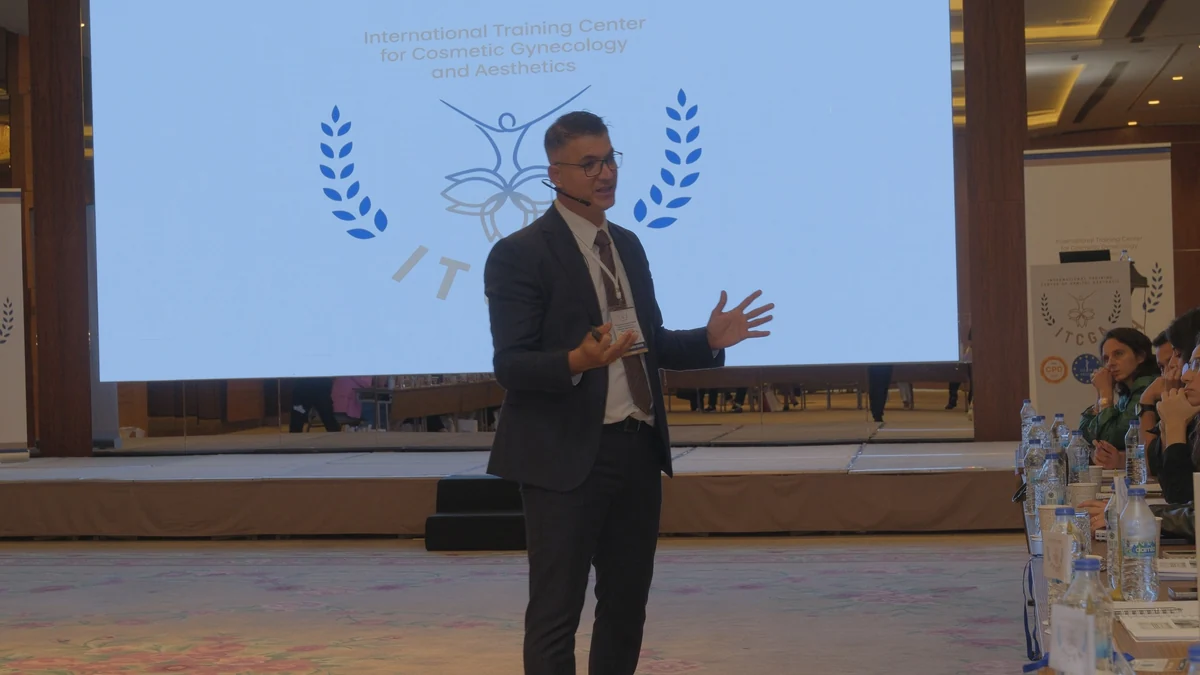
This intensive two-day programme offers physicians evidence-based education in Cosmetic Gynecology and Genital Aesthetics, combining current scientific knowledge, practical clinical insights and advanced procedural techniques across both surgical and non-surgical approaches.
Day 1
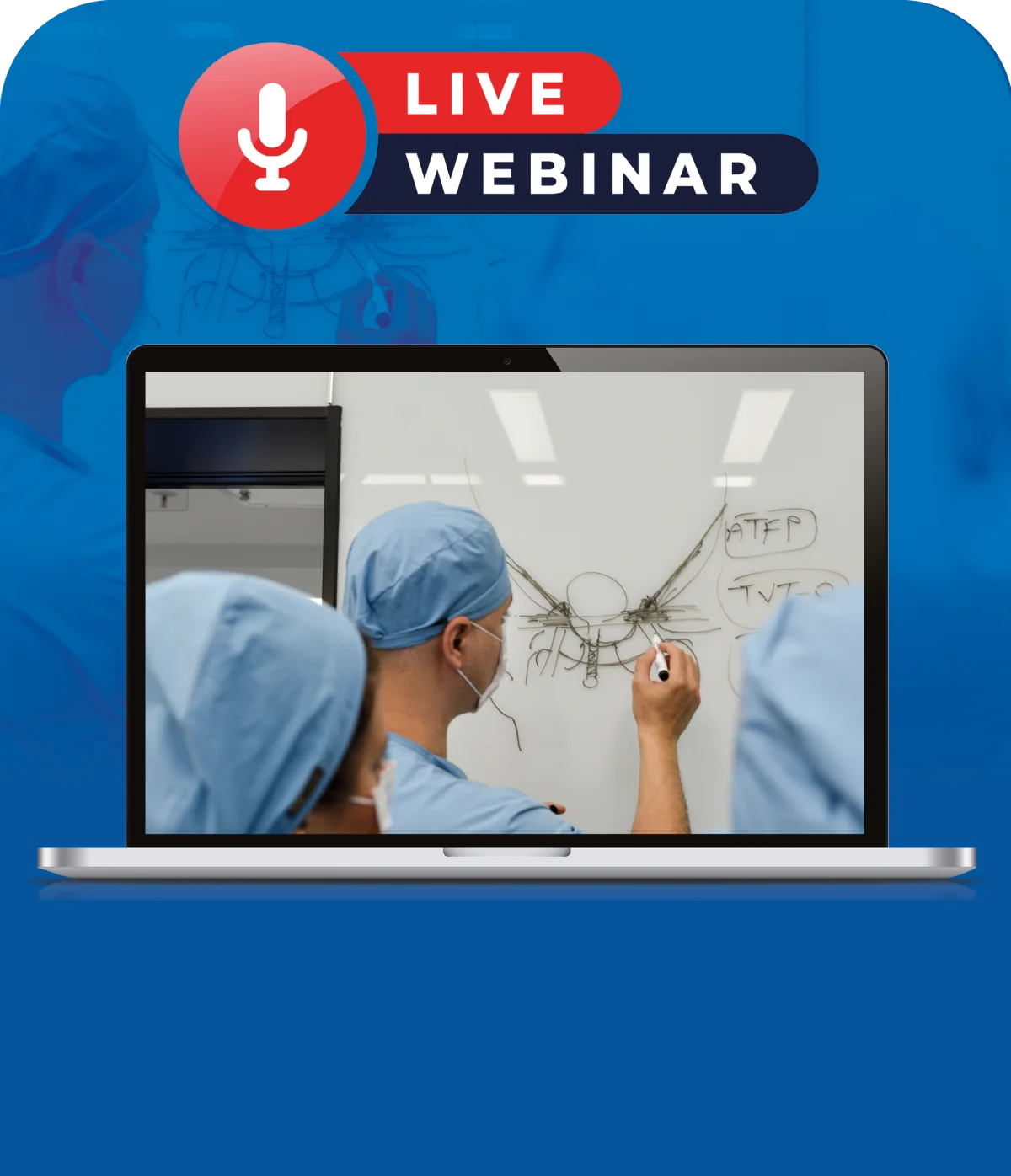
Theory, Anatomy & Video-Based Learning
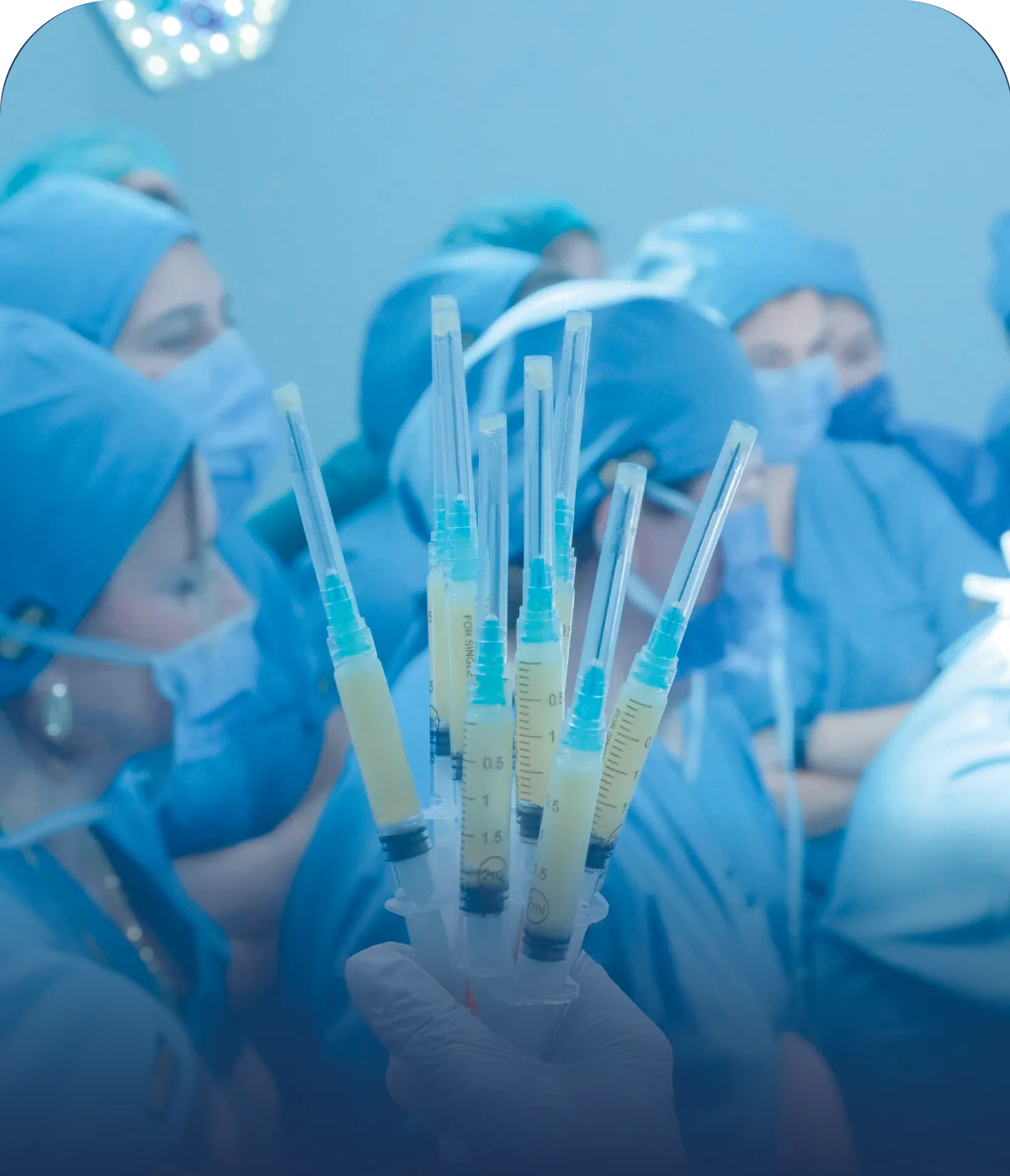
Expert-led lectures, interactive discussions and detailed procedural videos build a comprehensive understanding of anatomy, patient assessment, treatment planning, safety principles and the latest surgical and non-surgical techniques — letting attendees visualize every step before entering the operating room on Day 2.
Day 2
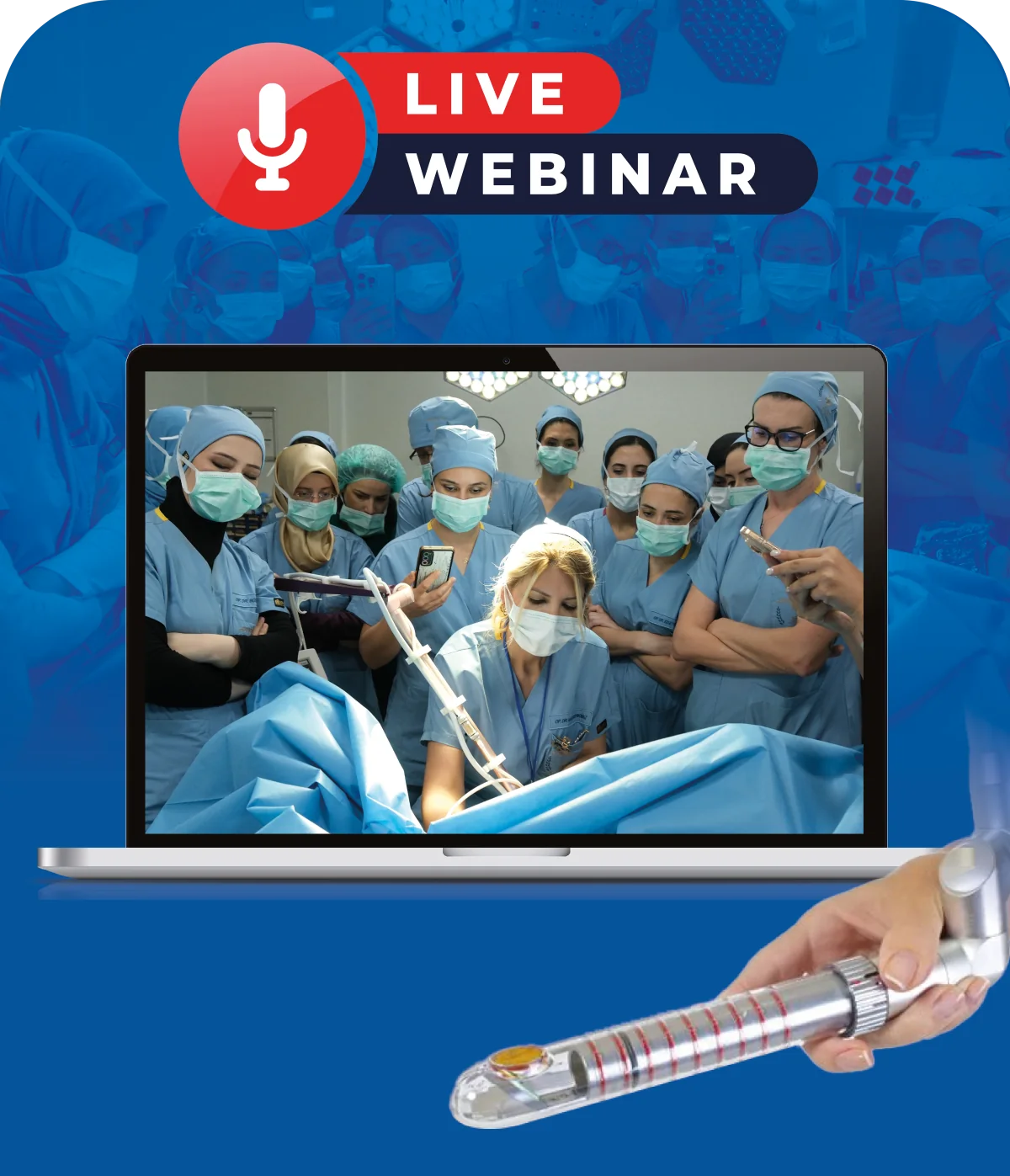
Live Operating Room Training
The operating room sessions combine live surgical demonstrations and hands-on training. Check the upcoming session details for the timetable and ask the course team which activities you will observe and which you will take part in.
EXPLORE THE DETAILS
Programme & practical information
PROGRAMME DETAILS · 01
Designed for Specialists
The programme combines lectures, clinical case discussions, surgical videos and operating room sessions. Use the dated syllabus to check how the teaching is organised.
PROGRAMME DETAILS · 02
Curriculum
I
Female Genital Surgical Anatomy & Patient Assessment
- Applied female genital surgical anatomy: tissue planes, vascular and neural structures
- Pre-operative evaluation, patient selection and evidence-based indication criteria
- Surgical planning: technique selection, operative photography and outcome benchmarking
- Safety protocols, complication prevention and risk stratification frameworks
- Perioperative care pathways, medico-legal considerations and informed consent
II
Surgical Cosmetic Gynaecology Procedures
Labiaplasty — Labia Minora & Labia Majora
- Trim, wedge, de-epithelialisation and hybrid techniques: indication criteria and comparative analysis
- Labia minora reduction: wound closure principles and functional & aesthetic outcome optimisation
- Labia majora augmentation and reduction: surgical and combination approaches
- Haemostasis, symmetry principles and natural-result techniques
Clitoral Hoodoplasty
- Isolated and combined hoodoplasty: integration with labiaplasty planning
- Clitoral nerve preservation, functional outcome and aesthetic balance
Monsplasty & Mons Pubis Aesthetics
- Mons pubis contouring, lifting and liposuction techniques
- Patient selection, expectation management and outcome optimisation
Vaginoplasty — Anterior, Posterior & Combined Approaches
- Evidence-based classification of vaginal laxity and surgical assessment
- Anterior vaginoplasty: Trapezoid technique, high cystocoele repair and cervical ring reconstruction
- Posterior vaginoplasty: rectovaginal fascia repair and perineal body reinforcement
- Sacrouterine ligament reinforcement and RVF-based techniques
Pelvic Floor Reconstruction & Functional Surgery
- Pelvic organ prolapse (POP): surgical approach by compartment (anterior, apical, posterior)
- Stress urinary incontinence: retropubic and transobturator tape (TOT) techniques
- Urethral ligament plication (ULP): indication and operative technique
- Perineal body reconstruction and revision perineoplasty
Revision Labiaplasty & Advanced Corrective Surgery
- Assessment of unsatisfactory outcomes and revision indications
- U-Plasty, V-Plasty and Y-Plasty techniques: flap-based reconstruction strategies
- Management of asymmetry, tissue loss and scar deformities
III
Non-Surgical Cosmetic Gynaecology & Regenerative Medicine
Energy-Based Devices — Laser & Radiofrequency
- CO₂ fractional, Er:YAG, diode laser and monopolar/bipolar radiofrequency: mechanisms and protocols
- Vaginal rejuvenation, mucosal collagen remodelling and tissue tightening
- Genitourinary syndrome of menopause (GSM) and atrophic vaginitis treatment
- Stress urinary incontinence: energy-based periurethral support
- Vulvar lightening, lichen sclerosus and hyperpigmentation protocols
PRP & Autologous Regenerative Therapies
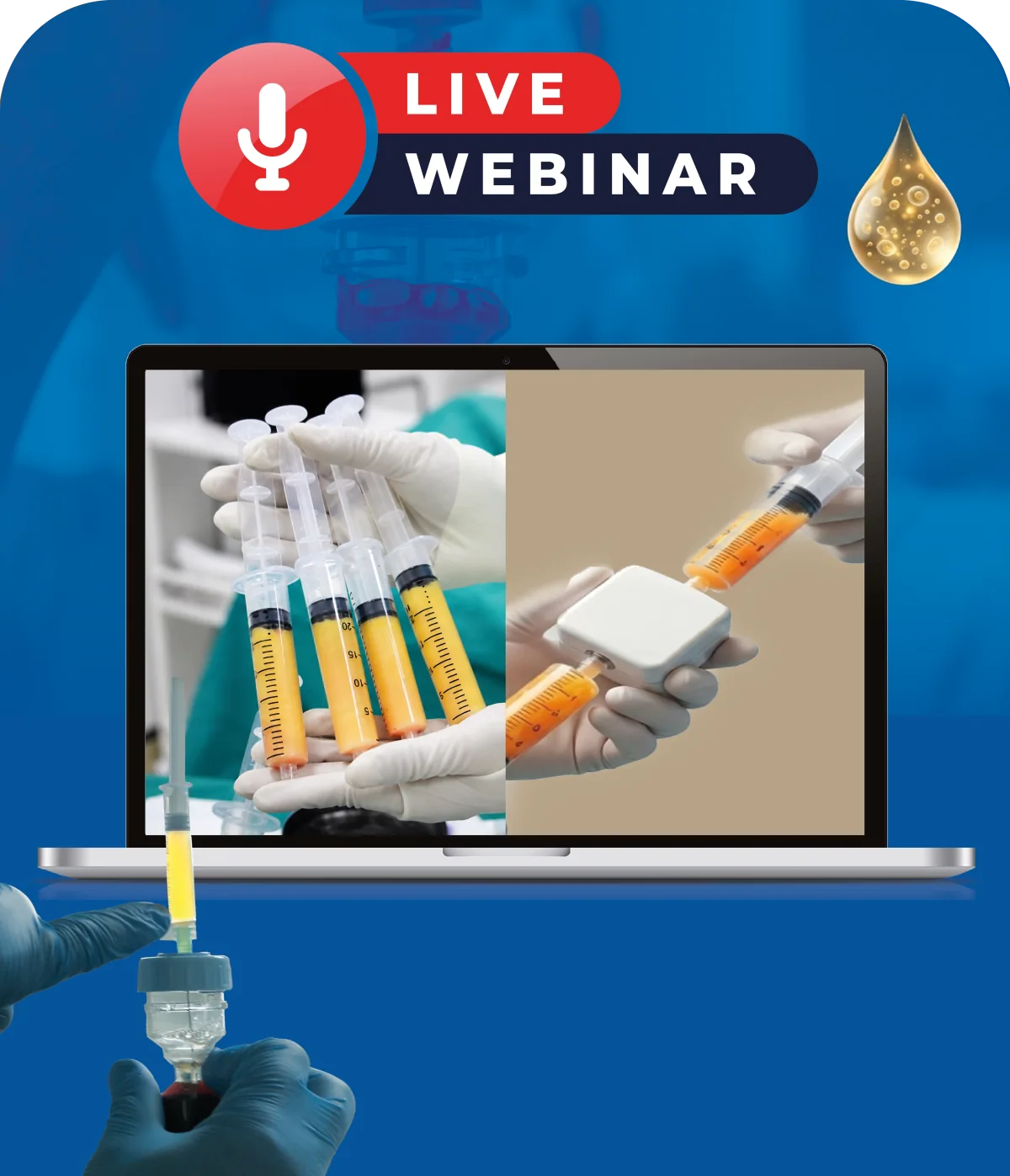
- PRP preparation: platelet concentration optimisation and injection protocols
- O-Shot® and G-Shot® procedures: evidence base and clinical application
- GSM and intimate wellness: regenerative indications and outcomes
Hyaluronic Acid Fillers & Autologous Lipofilling
- HA biochemistry, rheology and product selection by clinical indication
- Vulvovaginal HA injection: rejuvenation, atrophic vaginitis and GSM applications
- Autologous lipofilling spectrum: macrofat, millifat, microfat, nanofat and SVF techniques
Vulvovaginal Mesotherapy & Genital Rejuvenation
- Multi-agent microinjection protocols for vulvovaginal tissue renewal and trophic improvement
- Pigmentation correction, biostimulation and skin quality enhancement
- Lipolytic mesotherapy for mons pubis and vulvar fat reduction
- Mesobotox: superficial neuromodulator microinjection for skin texture refinement
Genital Botulinum Toxin & Neuromodulation
- Botulinum toxin for dyspareunia and vaginismus: indication, mapping and dosing protocols
- Mesobotox and combination protocols
Intimate Skin Lightening & Chemical Peeling
- Vulvar hyperpigmentation: pathophysiology, clinical classification and evidence-based protocols
- Chemical peeling agents: indications, depth control and aftercare
- Combination protocols with laser and energy-based devices
Emerging Regenerative Technologies
- Exosome biology: extracellular vesicle signalling and tissue repair pathways
- SVF isolation, preparation standards and genital regenerative indications
- Combination regenerative protocols: exosome with PRP, laser and radiofrequency
- Future developments and emerging technologies in regenerative gynaecology
IV
Complication Management, Safety & Post-Operative Care
- Early and late complication recognition, prevention and management algorithms
- Wound healing optimisation: dehiscence, haematoma, infection and scar management
- Revision surgery: indications, timing and operative planning
- Patient safety frameworks, risk stratification and medico-legal documentation
- Post-operative care pathways, pain management and recovery optimisation
- Clinical photography, documentation standards and outcome measurement
PROGRAMME DETAILS · 03
Live Surgery Sessions
Gain exclusive operating room exposure through real-time live surgical demonstrations performed by expert faculty. Participants observe advanced surgical techniques, patient assessment, operative planning, surgical decision-making, complication management and post-operative protocols in a highly interactive educational setting — bridging theory and clinical practice with internationally recognised surgical expertise.
Includes real-time operative demonstrations, surgical tips & tricks, complication management and interactive faculty discussions.
PROGRAMME DETAILS · 04
What You'll Gain
Use the session page to check what is included and the certificate awarded for that session. Ask the course team about practical participation before booking.
- Training by highly experienced, internationally renowned speakers
- Full-colour course booklet including all presentations
- Premium operating room scrubs with the official ITCGA logo
- Verified face-to-face participants receive one calendar year of included video access from the course end date
- Membership in the ITCGA Alumni Network with ongoing educational & clinical support
- Hands-on experience with advanced aesthetic gynecology procedures
- Exposure to the latest evidence-based genital aesthetic technologies and techniques
- Course-specific certificate and CPD information available before enrolment
- A complimentary return pass to a future course session — a second opportunity to go deeper and observe additional live cases*
*Subject to availability.
Upcoming sessions
Hands-on & Live Surgery Masterclass
4–5 December 2026Beyoğlu, Istanbul
CME® & CPD Accredited
£3,100
Hands-on & Live Surgery Masterclass
5–6 February 2027Beyoğlu, Istanbul
CME® & CPD Accredited
£3,100
Hands-on & Live Surgery Masterclass
9–10 April 2027Beyoğlu, Istanbul
CME® & CPD Accredited
£3,100
Dates are available on request.
Check the details before you enrol
Ask us about eligibility, practical participation, the current syllabus and any fees or arrangements that need confirming.
Contact the Course TeamExplore the journal
Read more about clinical learning, evidence and choosing your next training step.
Read ITCGA Insights